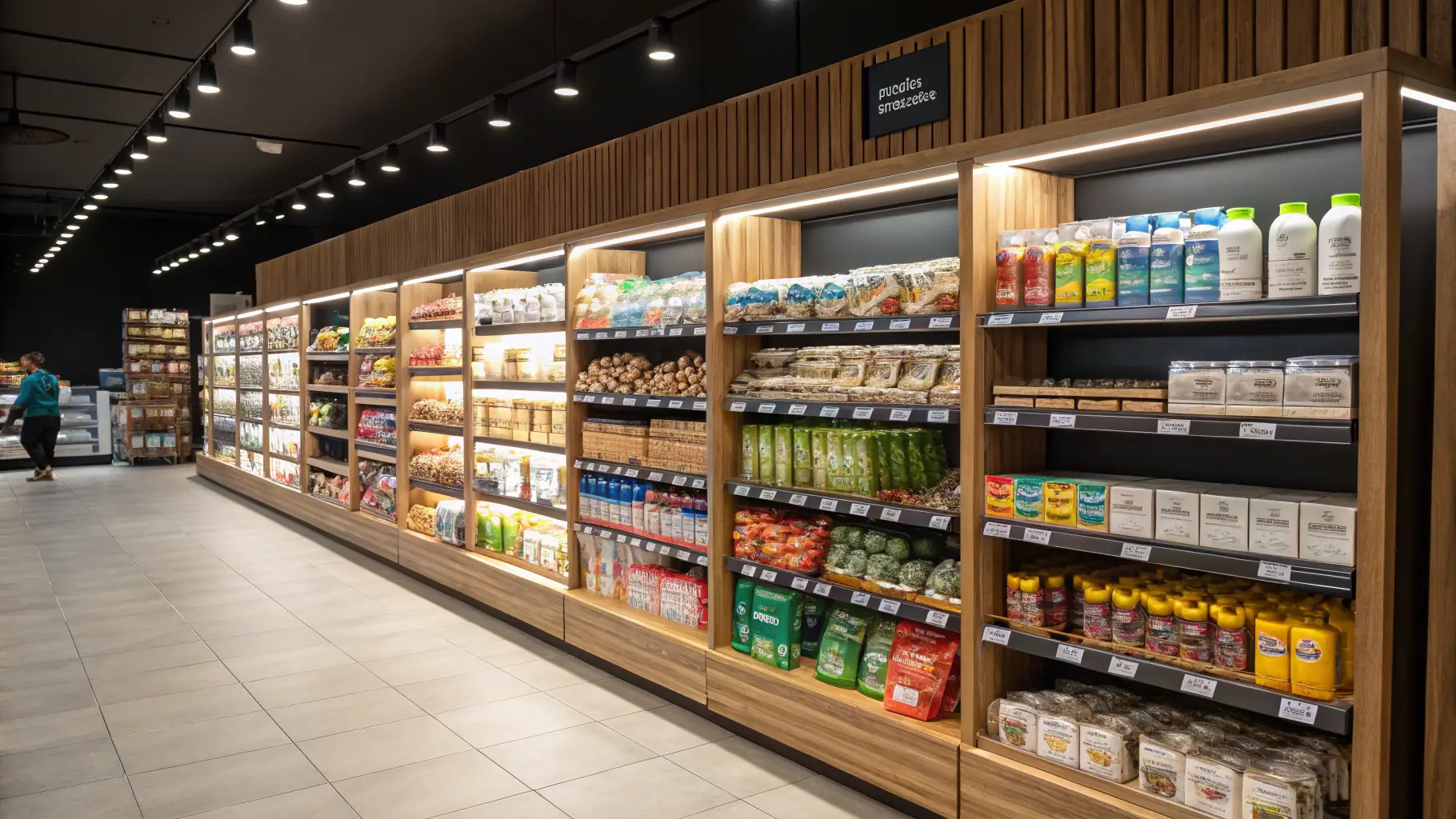
In the competitive FMCG market, effective distribution is paramount to success. It’s not enough to have a great product; you need to ensure it’s readily available to consumers where and when they want it. Optimizing distribution channels involves a multifaceted approach that considers various factors, including target audience, geographic location, and product characteristics. A well-designed distribution strategy can significantly impact brand visibility, market share, and overall profitability.
Traditional distribution channels, such as supermarkets and convenience stores, remain crucial for many FMCG brands. However, the rise of e-commerce and online marketplaces has created new opportunities and challenges. Brands must carefully evaluate the potential of online channels and develop strategies to effectively reach online consumers. Furthermore, direct-to-consumer (DTC) models are gaining traction, allowing brands to bypass traditional retailers and build direct relationships with their customers. This approach offers greater control over the brand experience and valuable insights into consumer behavior.
To optimize distribution channels, brands should conduct thorough market research, analyze competitor strategies, and leverage data analytics. By understanding consumer shopping habits and preferences, brands can identify the most effective distribution channels for their products. Building strong relationships with retailers and distributors is also essential for ensuring product availability and visibility. Ultimately, a flexible and adaptable distribution strategy is key to maximizing FMCG demand and achieving sustainable growth.